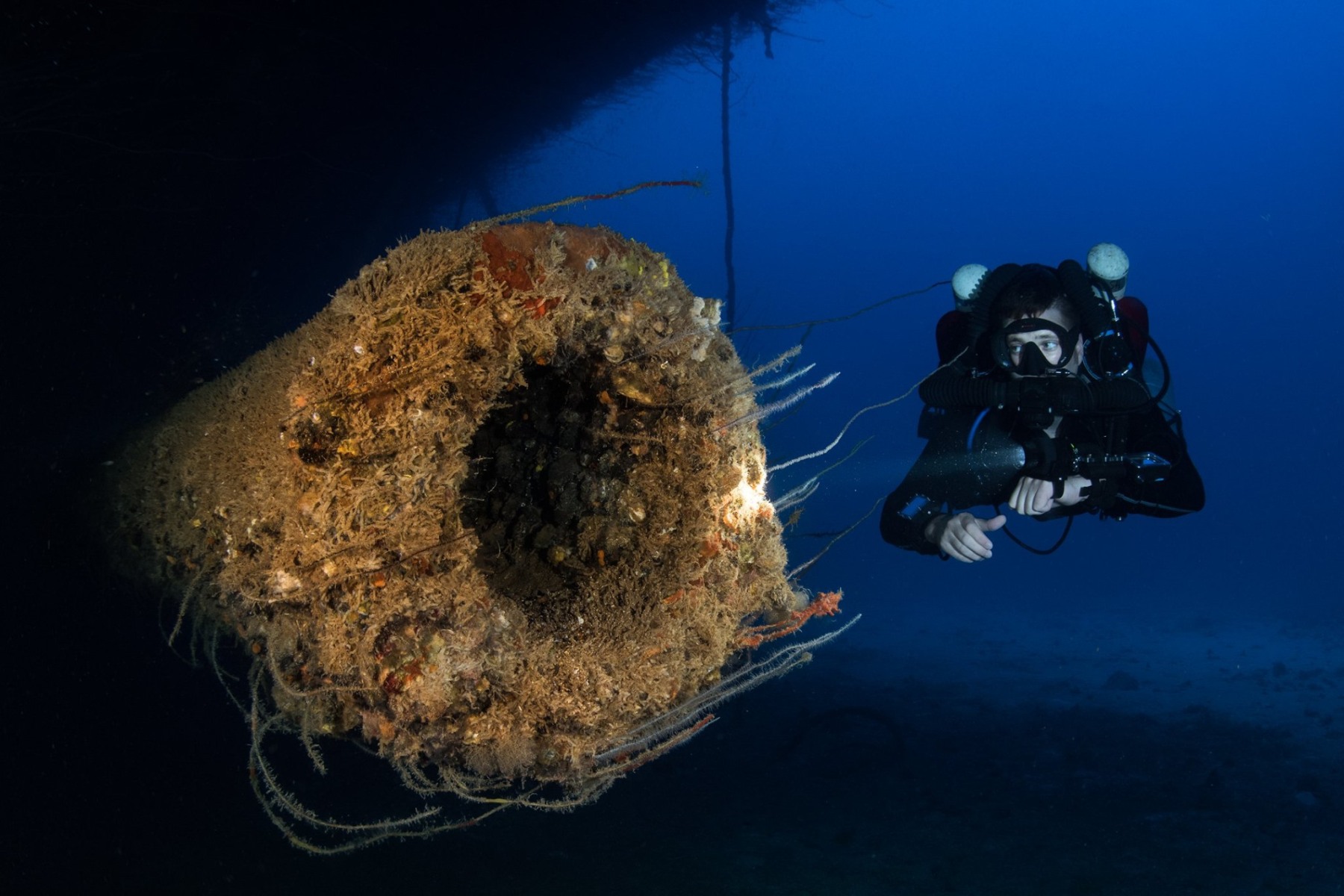
This is the FAQ page for our all rebreather 2025 Bikini Atoll trip: July 29 – Aug 8 2025

Is it safe to dive at a former nuclear testing site?
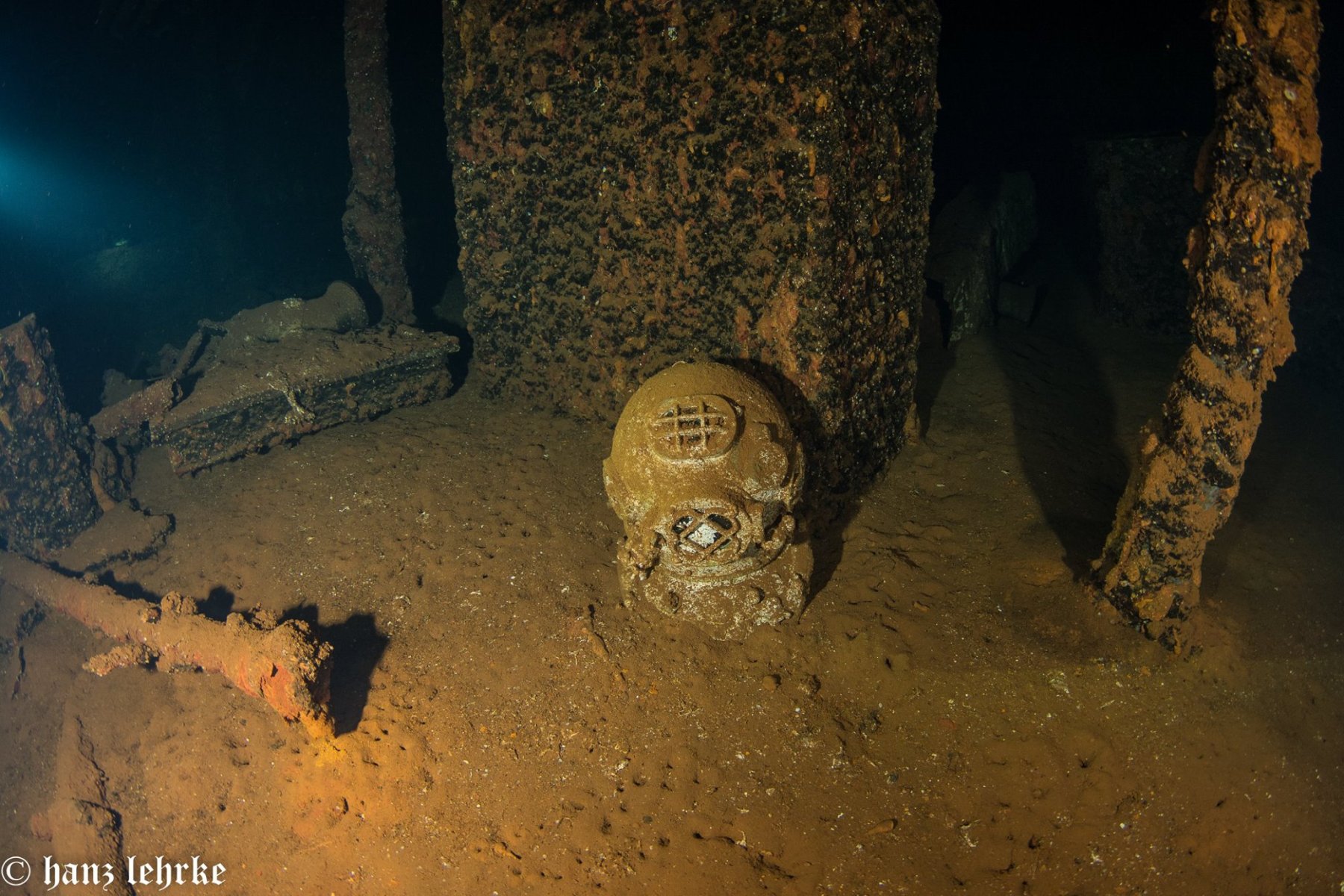
Residual radiation to which divers are exposed from the Bikini Atoll shipwrecks is negligible and poses no significant risk to divers, as long as they do not try to grab any souvenirs. Pilfering items from wrecks in Bikini Atoll is hazardous and forbidden.
About the diving at Bikini Atoll
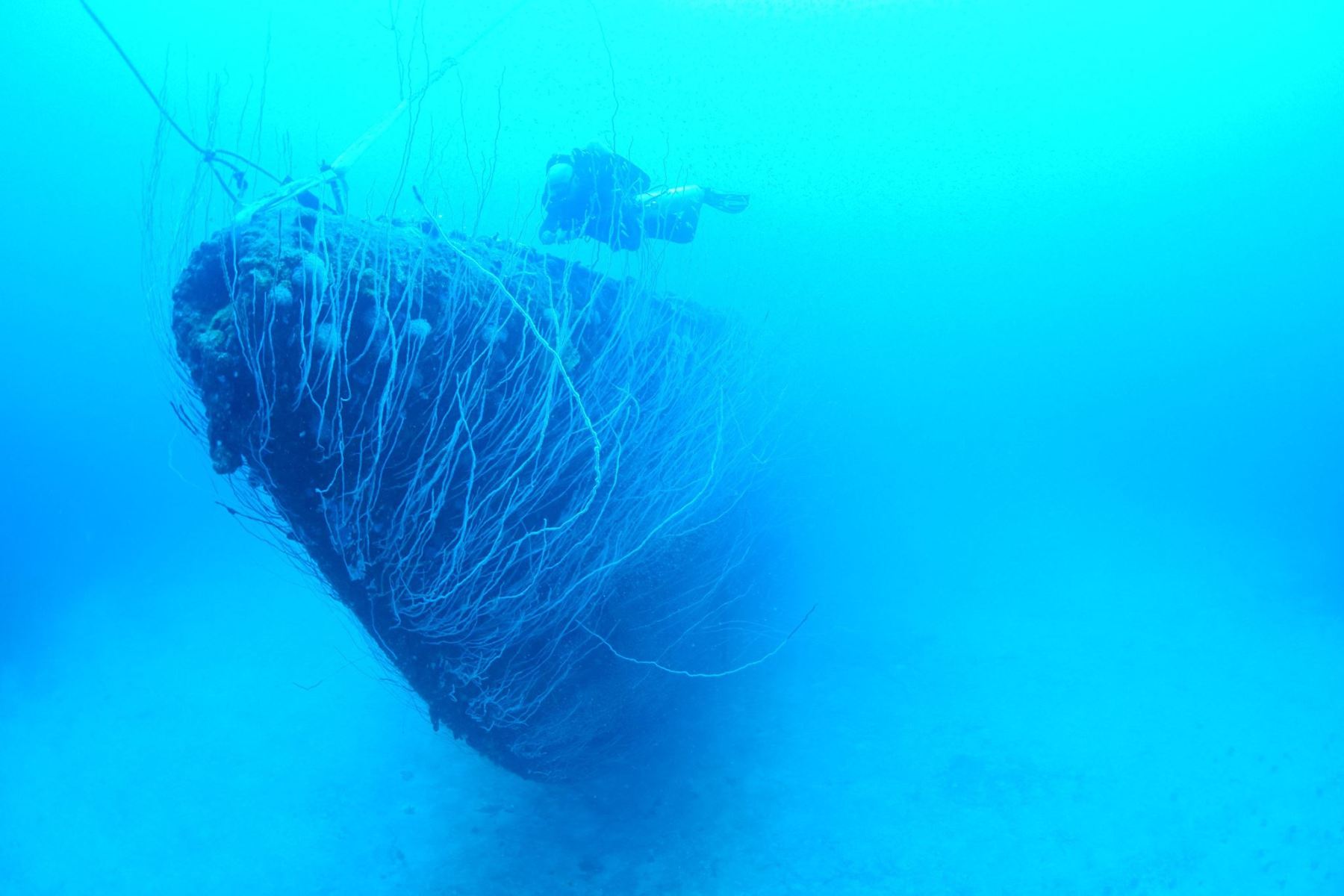
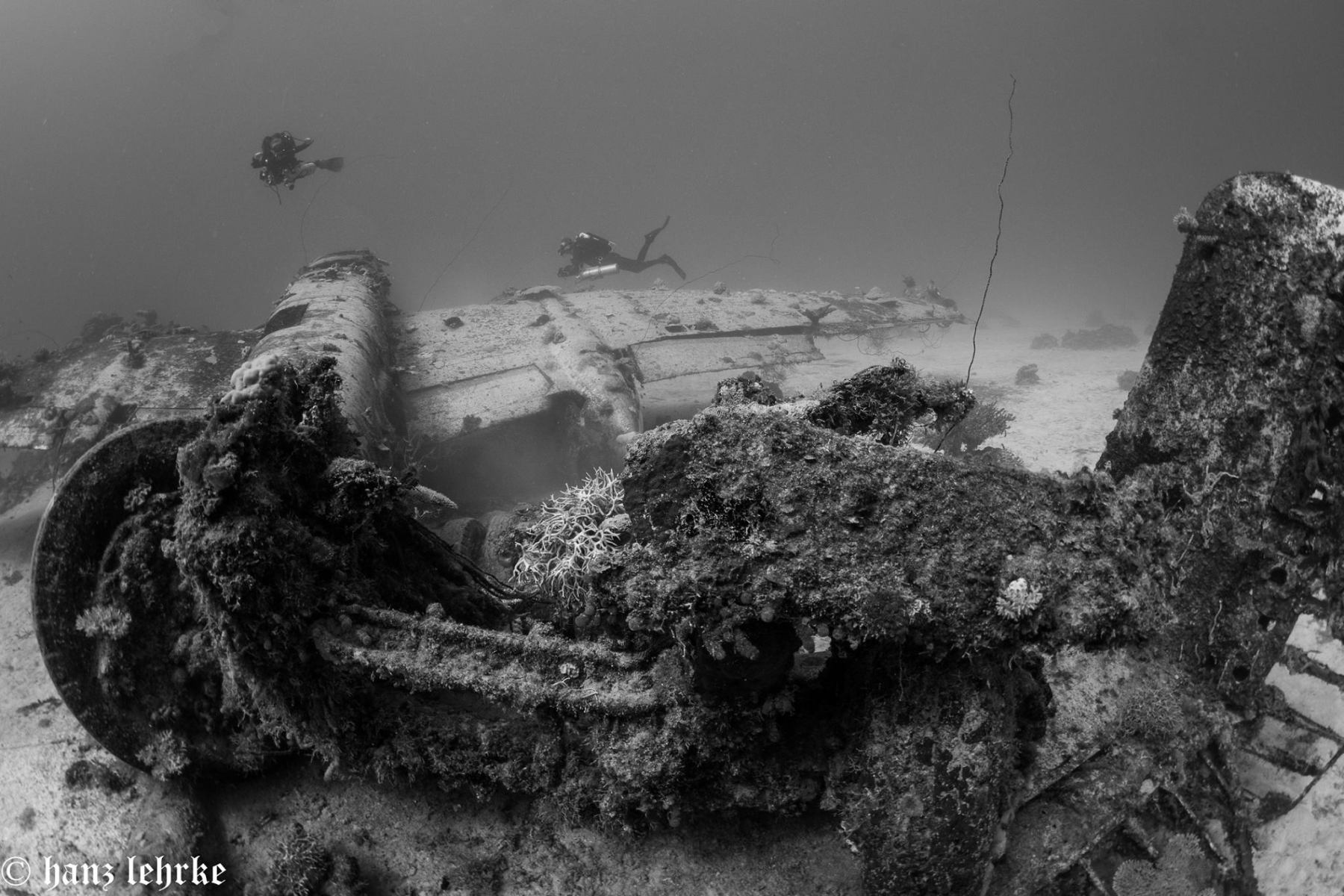
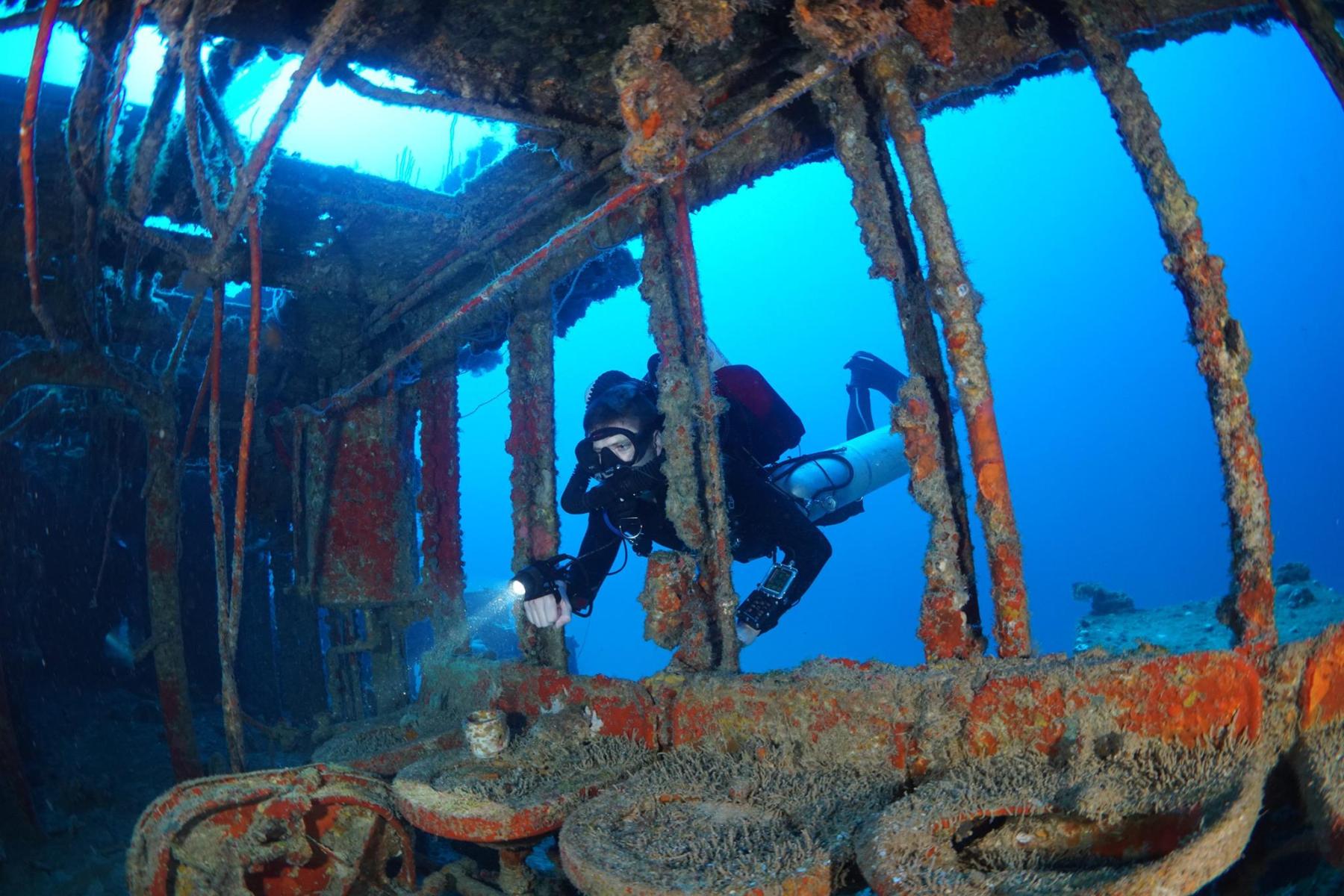
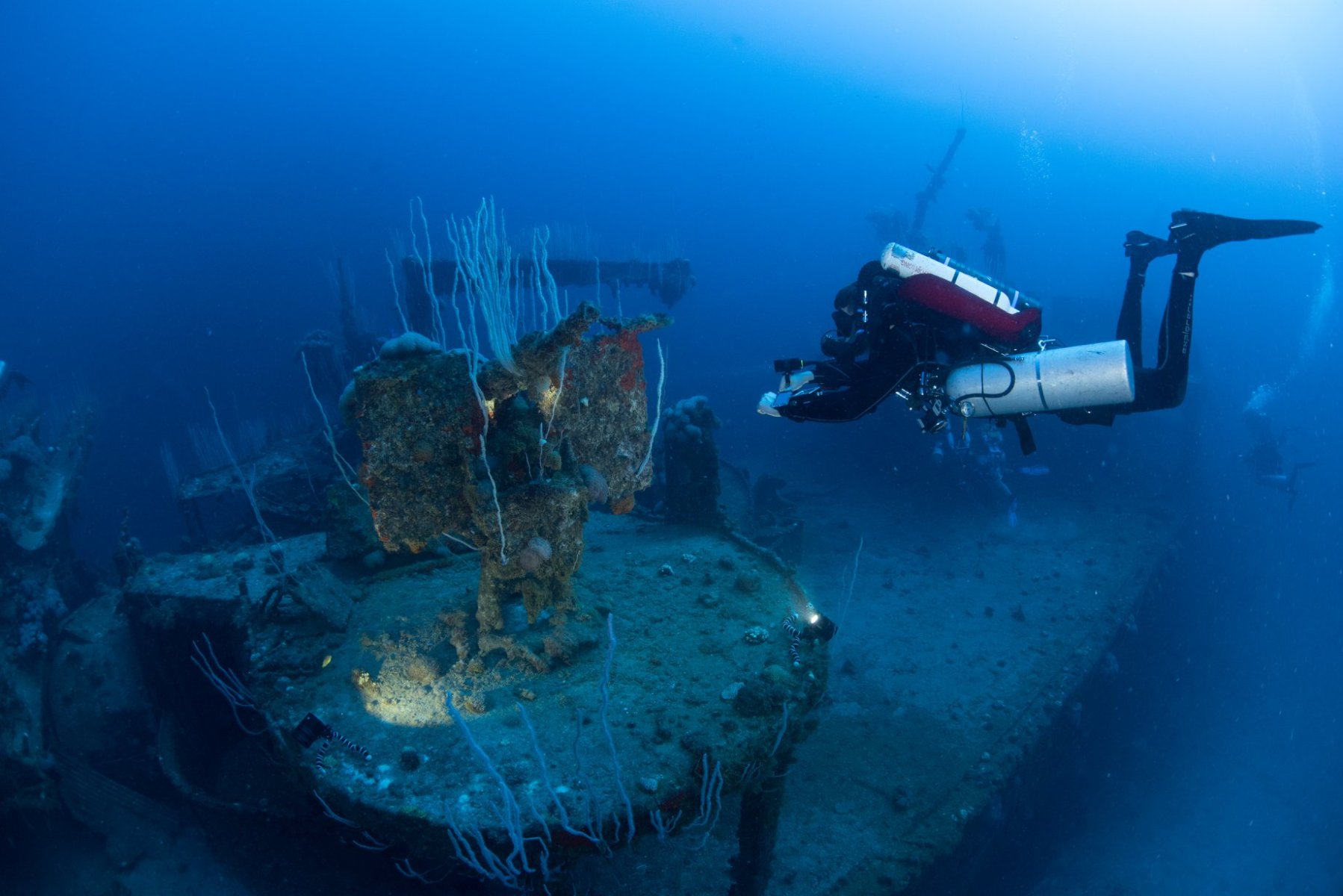
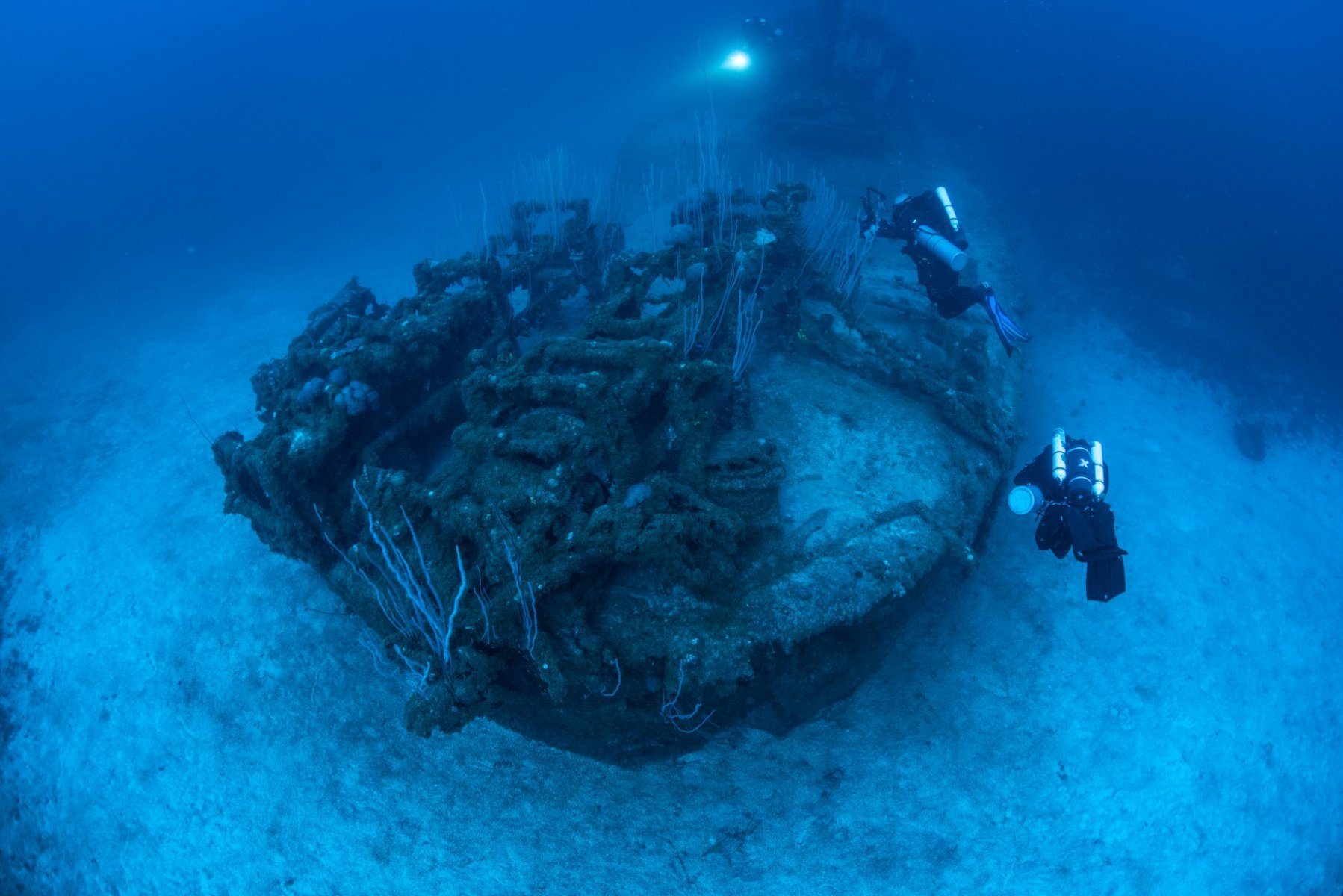
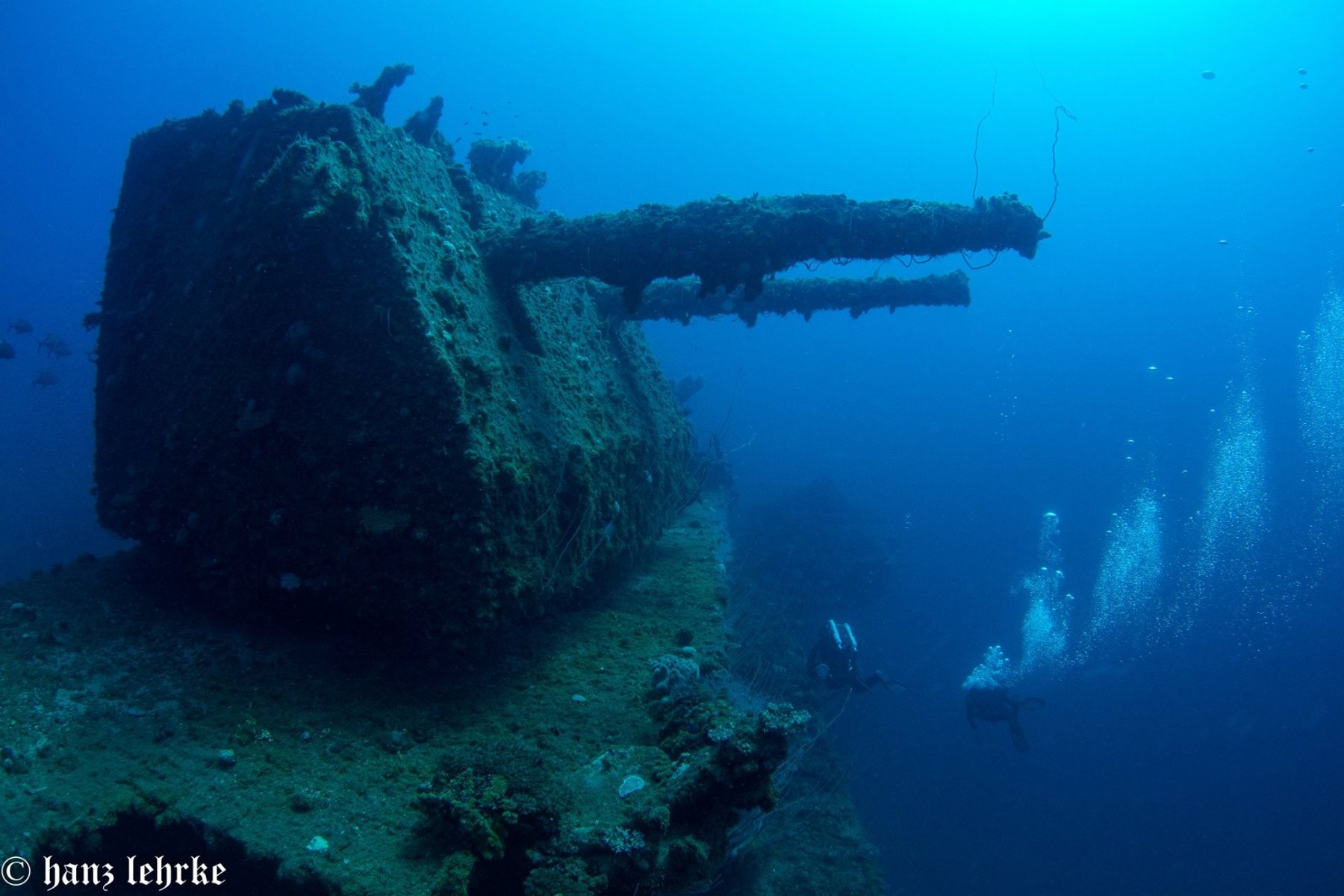
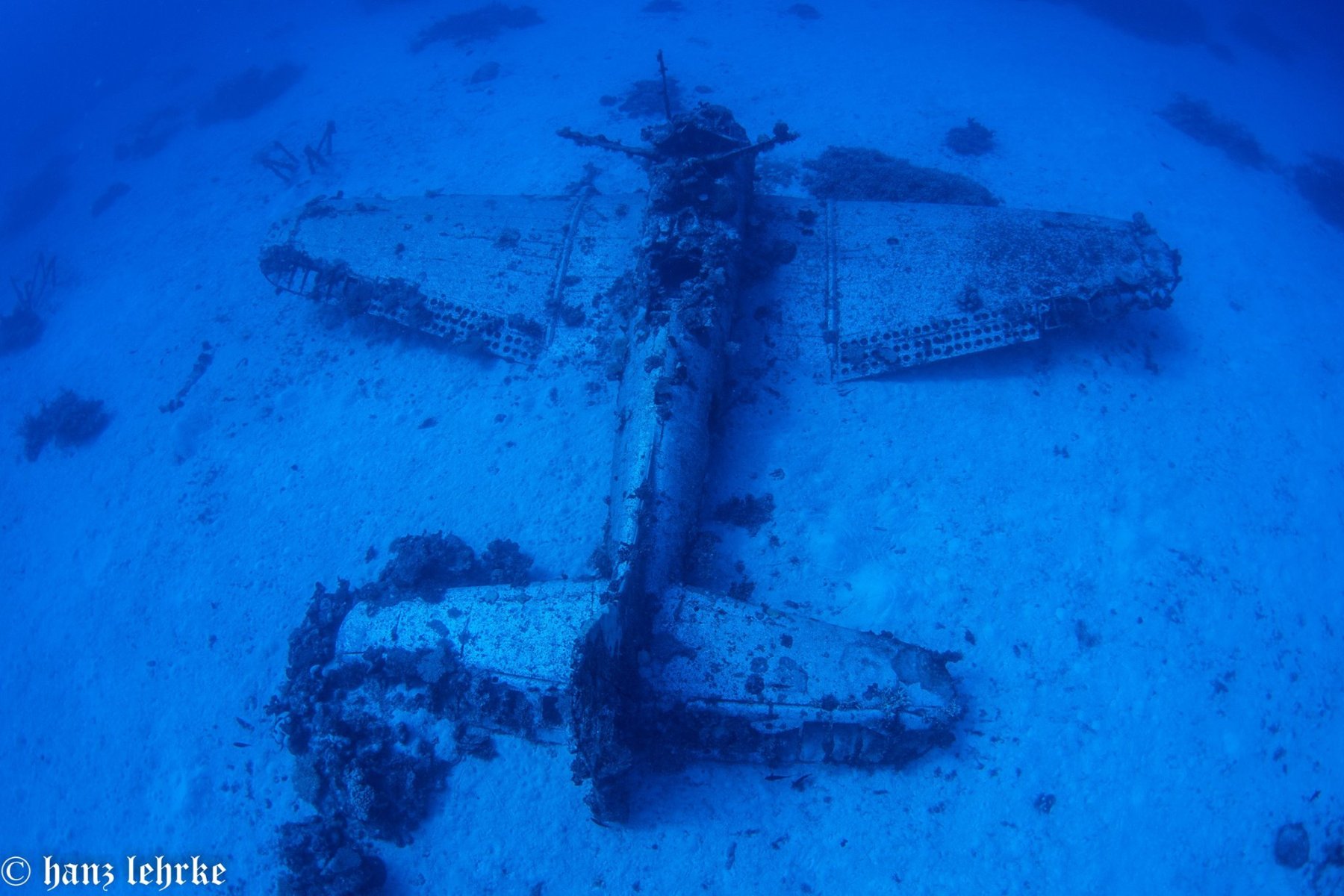
The wrecks of Bikini Atoll all lie at depths beyond standard recreational dive limits, with most starting around 50 metres.
As most of the diving in Bikini Atoll will be extended range, there will be a maximum of two (2) technical dives offered on most days.
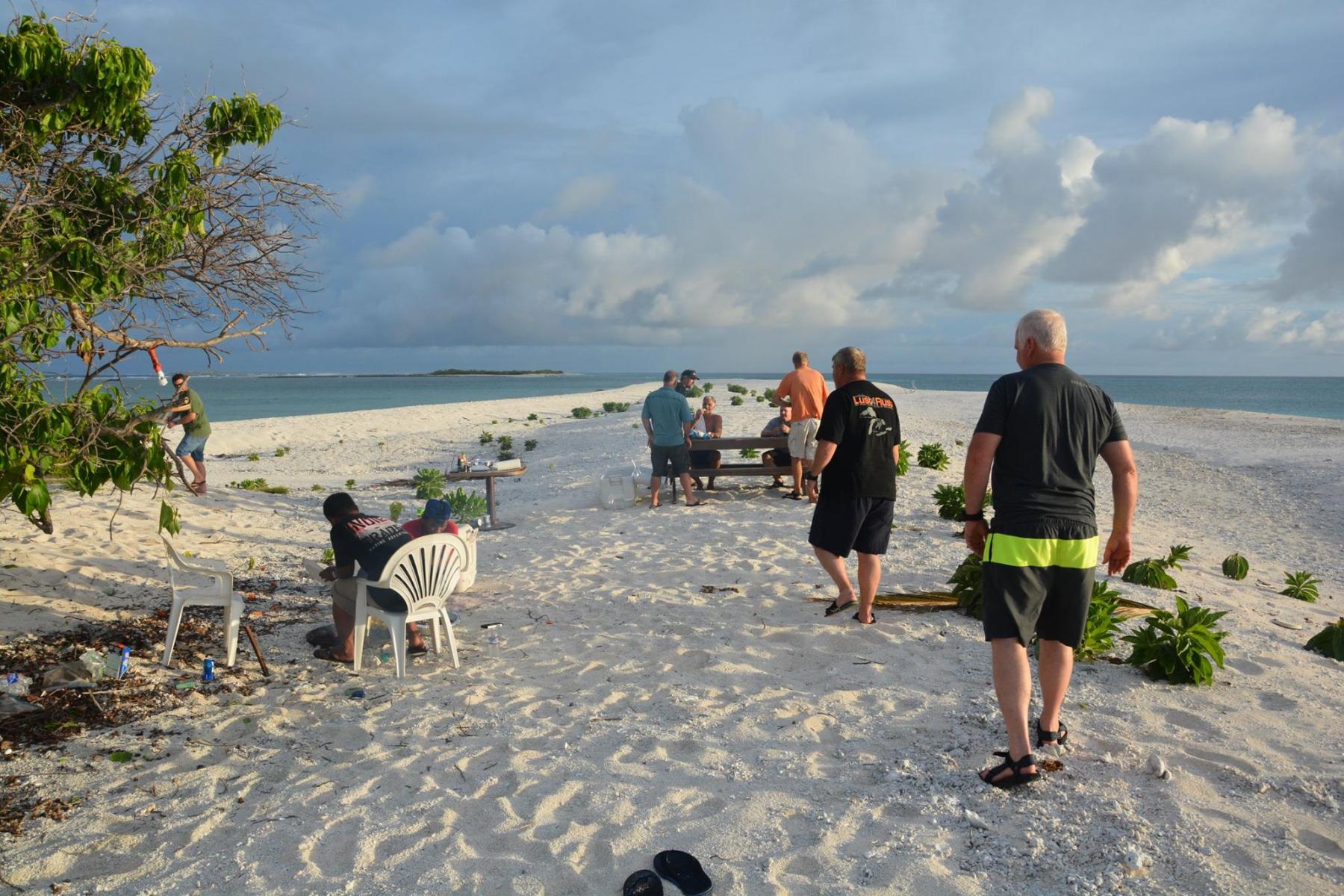
For safety, there is a mandatory 4-hour surface interval between dives and an afternoon off mid-trip (optional land tour and beach BBQ will be offered instead).
Each diver is responsible for planning their own dive profile with their dive buddy, with the assistance of the Cruise Director who is familiar with diving the wrecks of Bikini Atoll.
Special Waiver Form for diving at Bikini Atoll
In addition to standard safe diving practices and medical forms which can be downloaded from the Liability Waivers page, all guests joining a Bikini Atoll itinerary are required to complete the Technical Diving Liability Release and Bikini Atoll Liability Release.
Is Bikini Atoll suitable for all certified divers?
Due to the depths of the wrecks in Bikini Atoll the diving is only suitable for divers who have deep, technical diving certification (45+ metres) and with wreck diving experience. Bikini Atoll itineraries are NOT suitable for recreational divers, even those who are certified to 40 metres.
- The minimum certification for Rebreather divers is TDI Air Diluent- 45 metres / Helitrox Decompression- 45 metres, or equivalent.
- All divers must also have at least 100 logged dives and previous experience with deep wrecks.
Equipment & gas preparation
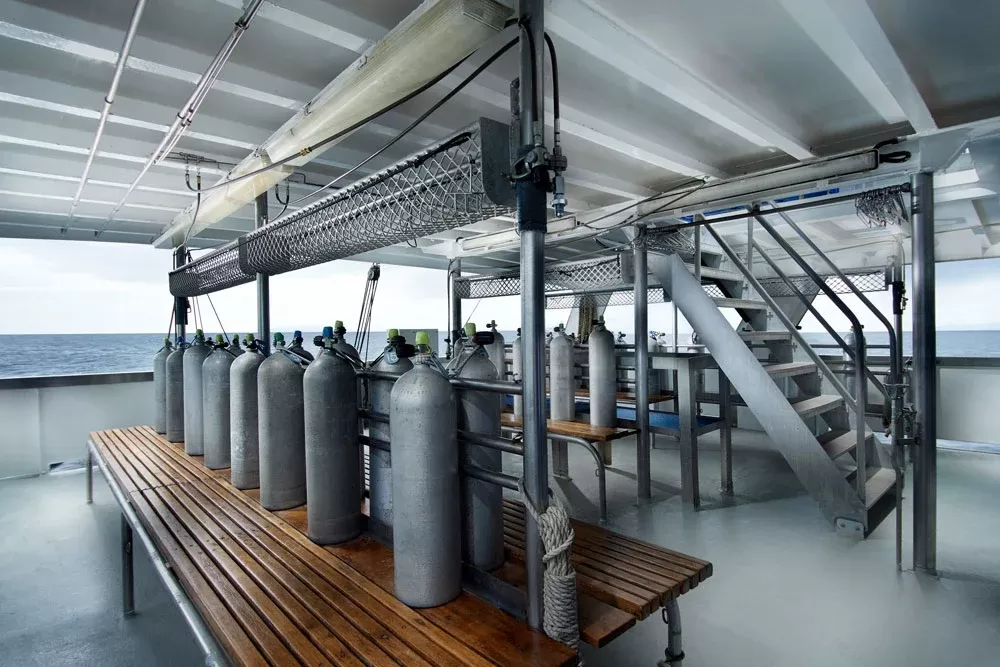
Cylinders, Gases and Sofnolime supplies are limited and subject to availability. All requirements MUST be requested in well in advance by completing the Technical Equipment and Gases Requests Form and returning it to our reservations team as early as possible.
The remoteness of the destination means supplies have to be obtained for the whole Bikini season before the vessel leaves Truk Lagoon (or the Solomon Islands) making it difficult to accommodate any requests without at least 6 months notice.
PLEASE NOTE: Due to limited supplies of Helium, we are unable to provide Trimix for Open Circuit divers on Bikini Atoll itineraries. Trimix is only available for CCRs
Special considerations for your diving equipment
Please inspect and test all your dive equipment before coming to Bikini as there are no dive centres or facilities for repairing equipment in Kwajalein, Bikini or on board. If you have just had your equipment serviced we still recommend you test it thoroughly before traveling.
Climate & weather
The climate of the Marshall Islands is a tropical climate, with temperatures averaging between 27 and 29C (80-84F) all year round, with some trade winds and a light cooling down in the evening. Generally, the northern islands tend not to receive as much rainfall as the southern islands.
Health
In the Marshall Islands, medical care is very basic with the ‘best’ medical facility in Majuro. Any form of treatment other than basic requires evacuation. Normal precautions should be taken with food and it is advisable to drink bottled water only.
Recompression chambers
There is no recompression chamber available to civilians anywhere in the Marshall Islands. In the event of a diving emergency while in Bikini Atoll, the vessel will immediately return to Kwajalein to facilitate transfer by emergency air evacuation for treatment (either to Hawaii or Australia) or, if circumstances allow, standby for an emergency evacuation from the airfield at Bikini.
PLEASE NOTE: We do not support ‘in-water’ recompression.
International Flight Advice
There are only six flights per week to and from Kwajalein, all operated by United Airlines. They are all part of United’s ‘Island Hopper’ route which connects the Marshall Islands with Honolulu and Guam.
We suggest you book your international flight from and to Hawaii. Flights operate 3 times per week from Honolulu departing early in the morning and take around 7 hours. As the route crosses the International Date Line, arrival in Kwajalein is the day after departure from Hawaii.
Generally, you will need to leave from Los Angeles (LAX) or San Francisco (SFO) a day earlier to make the early connection in Honolulu. Ideally, you should plan to arrive in Honolulu the day before your flight to Kwajalein and book a hotel for the night.
The flight from Guam to Kwajalein arrives on the same day as departure.
IMPORTANT: Please be aware of the possibility of luggage not arriving on the same flight due to aircraft weight limits. Delayed luggage will usually arrive on the next flight, i.e. two (2) days later.
We strongly recommend making arrangements to arrive in Kwajalein before your liveaboard departure date to allow for flight schedule changes or luggage not arriving on the same flight. We are unable to delay departure of the liveaboard to wait for missing luggage and can not be held liable for such events.
Getting there and away
Our Bikini Atoll itineraries are built around the United Airlines flight schedule from Honolulu, Hawaii which serves both Kwajalein and Majuro. However, due to the possibility of luggage not being on the same flight, we strongly recommend making arrangements to arrive in the Marshall Islands at least two (2) days before your liveaboard departure date.
Passengers traveling from and within the Marshall Islands are required to pay an airport departure tax; for International departures from Kwajalein and Majuro this is currently 20US$.
Arrival Procedures in Kwajalein
Please be aware that there are specific requirements for your arrival in Kwajalein for Bikini trips. For full details, please read the following documentation: Procedure for guests arrival in Kwajalein for Bikini.
Must I spend a night in Hawaii on either side of my liveaboard trip?
As the United Airlines flight from Honolulu to Kwajalein departs around 7am, we strongly recommend guests spend a night in Hawaii to ensure they are well rested and make the flight connection.
The return flight from Kwajalein arrives in Honolulu in the very early hours of the morning (between 2am and 3am) so we also suggest an additional night in Hawaii after your liveaboard.
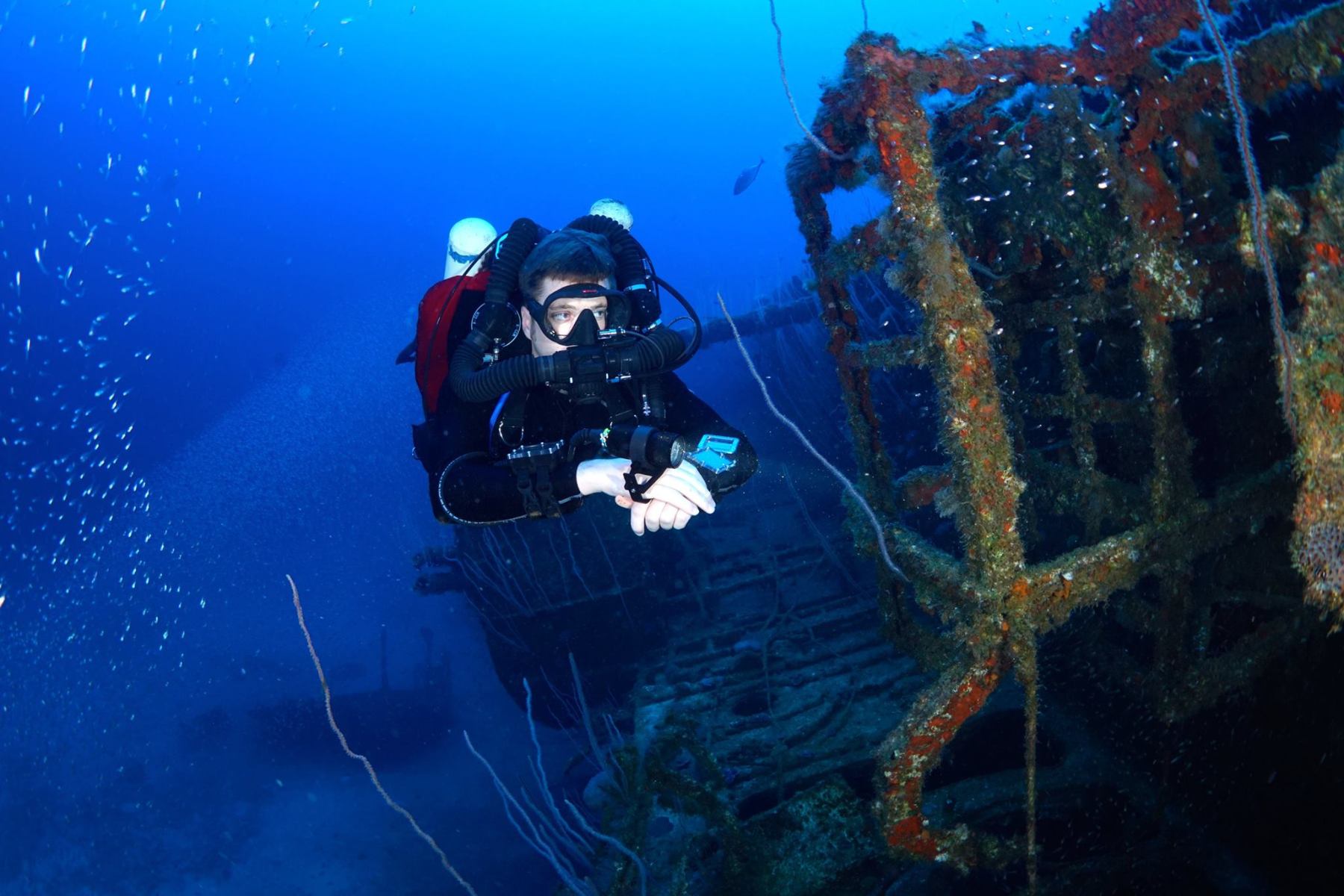
Rebreather support & equipment
Rebreather divers joining a Master Liveaboards Bikini Atoll itinerary are required to have TDI Air Diluent- 45 metres / Helitrox Decompression- 45 metres, or equivalent certification.
Our vessels operating in Bikini Atoll are equipped with booster pumps for supporting the rebreather diver and have additional stage / bail-out cylinders available on board to rent.
We can supply Oxygen, Helium and CO2 absorbent (Molecular Products 797 Sofnolime); The scrubber is charged per 20kg tub and gases are charged per fill.
Pre-booking of all rebreather supplies is essential to guarantee availability for you. Please complete the Technical Equipment & Gases Request form, and return it as early as possible to contact our reservations team to place your order.
PLEASE NOTE:
- The majority of our rebreather cylinders have 3/4 NPS neck threads.
- We also have a limited number of M25 thread cylinders.
- We DO NOT have any cylinders with M26 neck threads or adaptors for them on board. Guests are advised to bring their own if they need them.
- We cannot supply pre-packed scrubber cartridges for rebreather units such as Poseidon.
- Spare oxygen cells and specialist rebreather tools are not available so rebreather divers should bring their own.
Wreck Penetration
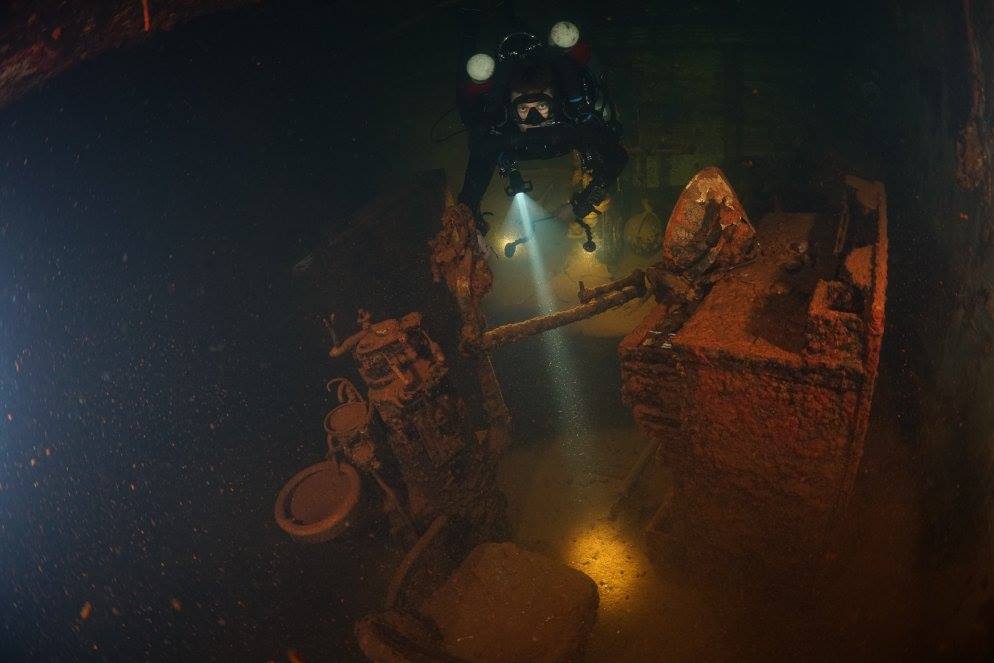
IMPORTANT: All divers who wish to penetrate any of the wrecks in Bikini Atoll MUST provide proof of technical overhead environment training and experience.
There are many possibilities for wreck penetration in Bikini Atoll; some are relatively straightforward while others are advanced and potentially dangerous. Access to some areas of the Saratoga, specifically the dentistry/sickbay, equipment room and scullery is extremely challenging and only suitable for technical divers with relevant training and experience.
PLEASE NOTE: Any guests who do not meet the minimum mandatory certification and experience requirements will not be allowed to dive. Additionally, any divers who our crew feel lack sufficient skills or experience to dive the wrecks safely may be denied participation in some or all dives.
Tipping guidelines
We believe that tipping is a matter of personal choice; Should you feel that our crew has made your holiday extra special, they will certainly appreciate a tip as a sign of your appreciation. An envelope will be provided by your cruise director at the end of your itinerary and all gratuities will be divided equally amongst all crew, including the captain and dive guides.
If you are unsure how much to tip, we suggest 10% of the liveaboard cost. Tips can only be accepted in cash.
See our FULL BLOG POST about tipping on dive trips here.
Electricity
Pacific Master is fitted with 220V-50 Hz, Australian style sockets. Although there are some universal adapters on board, we strongly advise bringing your own to ensure you have the type and quantity you need for all of your personal equipment.
Solomons Master (previously Truk Master) runs on 110V/220V-60Hz and is fitted with universal power outlets that can fit most European and US plugs.
However, as European, and the majority of other non-US electrical equipment generally requires 220V at 50 Hz we advise bringing power converters and plug adapters with you to avoid potential damage to your equipment and ensure it charges correctly.
Communications during your trip
Most of the areas visited are out of range from normal mobile phone cover, specifically once the vessel is outside of Kwajalein or Ebeye.
Pacific Master is fitted with a Starlink satellite system making Wi-Fi internet access available on board (Charges apply – please refer to the on board extras for price details).
You can find useful information and advice on how to get the most out of your purchased data in our Onboard Internet Access Guidelines.
Onboard payments
You can pay Marine, Park and Port fees and any other onboard extras by card or in cash.
All prices are given in USD, but can be also paid in EUR, GBP, and AUD calculated using the applicable exchange rate on the last day of your liveaboard.
We accept Mastercard and Visa credit card payments onboard for which there is a 3% surcharge.