
Welcome to our Dive Travel FAQ page, your ultimate resource for all your questions about diving adventures! Whether you’re a seasoned underwater explorer or just dipping your toes into the world of scuba diving, we’ve compiled a comprehensive list of frequently asked questions to help you navigate the exciting realm of dive travel. From choosing the perfect destination to understanding equipment requirements and safety protocols, we’ve got you covered. Dive in and discover the answers you need to make your next aquatic expedition an unforgettable experience.


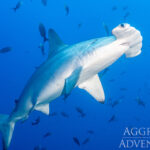



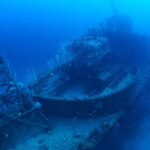

Several times per year, Dive Addicts takes groups to exotic locations around the world. Accompanied by a Dive Instructor, these group trips feature competitive pricing and additional benefits on accommodations as well as diving. SCUBA diving trips for beginners and experts alike. Most trips fill up quickly, so don’t hesitate to contact us if you see something that interests you.
Ready to sign up for your Dive Addicts dive trip?
General Dive Travel FAQs
When is the best time to go?
How far in advance should I make a reservation?
- 4-8 months for land based trips
- 12+ months ahead for liveaboards or more limited land based trips
Are flights included? Can you book my flights?
Do I need a wetsuit?
 Read More HERE
 I have special dietary needs, can those be accommodated?
Should I tip the dive crew?
- Ultimately, the choice of how and when to tip is yours. Diving prices vary depending on the location and the services offered. As a general rule of thumb, consider tipping between $5 to $10 USD per dive, which equates to 10 to 20 percent of the dive cost. Your tip should reflect the level of service provided and your overall experience.
I Am Traveling Alone – Will I Have To Share a Cabin or Room?
I am a non-diver, or I would like to bring a non-diver. Is there anything to do?
Do I need dive insurance for a Dive Addicts dive trip?
In short, Yes, for the most part — and in many cases, it's required. Some live-a-boards and resorts will not allow you to dive without proof of valid dive insurance. Dive insurance typically covers:
-
Hyperbaric chamber treatments
-
Emergency evacuation
-
Dive-related injuries
-
Medical expenses related to diving incidents
Even on trips where it's not mandatory, Dive Addicts strongly encourages all divers to carry dive insurance to protect themselves and their investment.
Recommended Provider: DAN (Divers Alert Network).
What’s the difference between dive insurance and trip insurance?
Trip insurance protects your investment in the overall travel experience — not just the diving. It may cover:
-
Trip cancellations or interruptions due to illness, injury, or travel restrictions
-
Lost or delayed baggage
-
Missed connections or travel delays
-
Non-refundable expenses (like live-a-board or resort payments)
Some resorts and boats may also require trip insurance, particularly in remote locations with strict cancellation policies. Dive Addicts recommends purchasing a comprehensive policy that includes both dive coverage and travel protection. Recommended Provider: DAN (Divers Alert Network).
Tip: Make sure your policy includes “Cancel For Any Reason” or emergency evacuation for added flexibility and peace of mind.
I have a question that is not answered here – what should I do?
Liveaboard Dive Travel FAQs
What is a liveaboard dive trip?
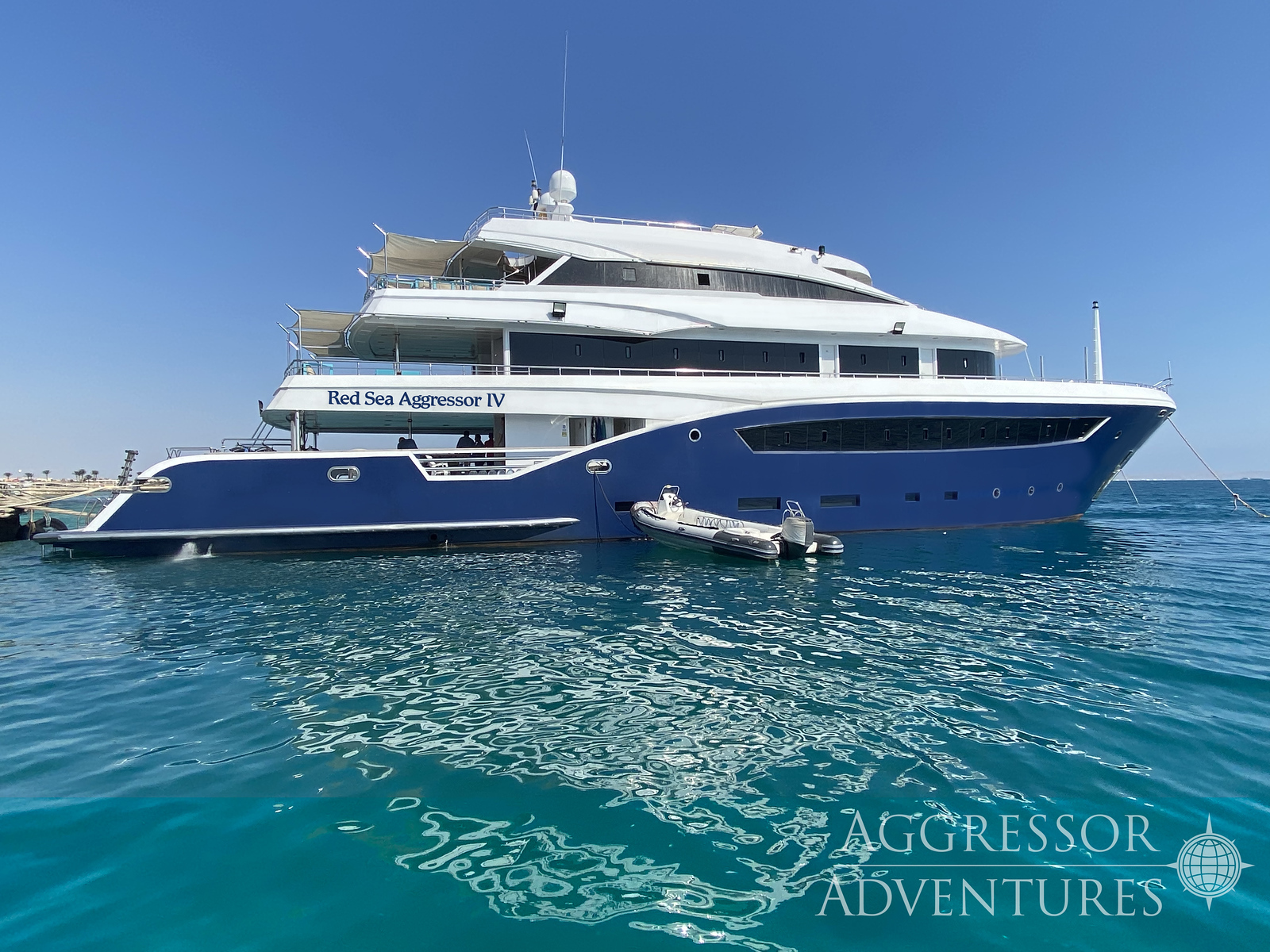



What are the benefits of liveaboard diving?
- More time in the water: Start your day right at the dive site and enjoy multiple dives each day without long commutes.
- Reach untouched dive spots: Liveaboards offer access to remote, pristine locations that day trips often can’t reach.
- Immersive diving atmosphere: Share your adventure with fellow diving enthusiasts, creating a fun and engaging community.
- All-in-one convenience: With comfortable lodging, delicious meals, and fully equipped dive facilities, liveaboards let you relax and focus entirely on diving.
What does a typical day on a dive liveaboard look like?
Morning
- Start your day with a light breakfast and a detailed dive briefing.
- Gear up and head out for the first dive of the day.
- Return to the boat for a hearty breakfast and some well-earned relaxation.
- After a second dive briefing, jump back in for dive number two.
- Refuel with lunch and enjoy some downtime on board.
Afternoon
- Depending on the itinerary, go for a third or even fourth dive.
- Snack on afternoon treats, unwind with a book, or soak up the sun on the deck.
- Take a nap or try other activities like snorkeling or kayaking.
Evening
- Savor a delicious dinner prepared by the onboard chef.
- Connect with fellow divers, swap stories, and enjoy the relaxed evening vibe.
- For those craving more adventure, an optional night dive awaits.
Do we dive from the liveaboard boat's platform or from tenders/smaller boats?
What Should I Not Bring on a Liveaboard Dive Trip?
Pack light! Space on liveaboards is often limited, and airlines are charging more than ever for extra baggage. Here’s what you can skip:
- Excess clothing – You’ll spend most of your time in dive gear.
- Multiple pairs of shoes – Many boats follow a “no shoes” rule.
- Too many gadgets – Liveaboards usually offer plenty of their own entertainment.
What if I am prone to seasickness?
Do I need to be an experienced diver to go on a liveaboard dive trip?
I have special dietary needs, can those be accommodated?
I Am Traveling Alone – Will I Have To Share a Cabin or Room?
Do I need dive insurance for a Dive Addicts dive trip?
In short, Yes, for the most part — and in many cases, it's required. Some live-a-boards and resorts will not allow you to dive without proof of valid dive insurance. Dive insurance typically covers:
-
Hyperbaric chamber treatments
-
Emergency evacuation
-
Dive-related injuries
-
Medical expenses related to diving incidents
Even on trips where it's not mandatory, Dive Addicts strongly encourages all divers to carry dive insurance to protect themselves and their investment.
Recommended Provider: DAN (Divers Alert Network).
What’s the difference between dive insurance and trip insurance?
Trip insurance protects your investment in the overall travel experience — not just the diving. It may cover:
-
Trip cancellations or interruptions due to illness, injury, or travel restrictions
-
Lost or delayed baggage
-
Missed connections or travel delays
-
Non-refundable expenses (like live-a-board or resort payments)
Some resorts and boats may also require trip insurance, particularly in remote locations with strict cancellation policies. Dive Addicts recommends purchasing a comprehensive policy that includes both dive coverage and travel protection. Recommended Provider: DAN (Divers Alert Network).
Tip: Make sure your policy includes “Cancel For Any Reason” or emergency evacuation for added flexibility and peace of mind.